
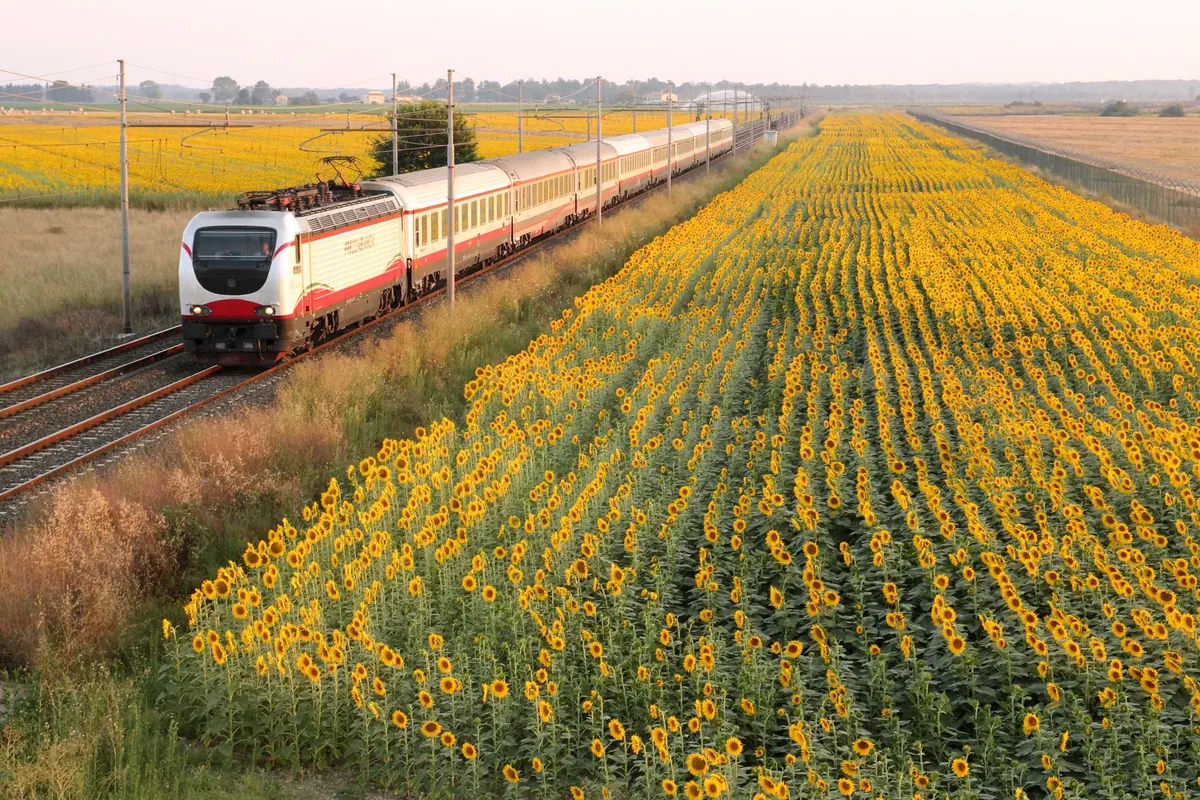
Italy rewards the traveller who slows down, and doing it without a car is easier than many people expect. The country’s rail network links the big art cities, while regional buses fill in the gaps to hill towns, coastlines and wine country. The trick is not to chase every highlight. It is to build a route that respects travel times, keeps luggage manageable and leaves room for the unplanned afternoon.
Pick a Rail Spine, Then Add Short Bus Spurs
Start with one strong rail line rather than a list of places. A spine might be the Florence–Bologna–Ravenna corridor in Emilia-Romagna, the Rome–Naples line if you want to add the south, or the Milan–Venice route across the north. Once the spine is fixed, look for bus links that branch off it. Florence to Siena is a classic bus journey; Bologna to Ravenna is an easy train; Lucca and Pisa sit on the same regional line. Keep the whole route within one or two regions for a week. A compact loop with two to four bases will feel calmer than a zigzag across the country, and it will cut down on the days when you spend more time waiting than walking.
Build Travel Days With Realistic Door-to-Door Times
Timetable times are only part of the story. A train that takes 90 minutes can easily become a three-hour event once you add the walk to the station, the wait on the platform, the arrival walk and the check-in. Plan one major move per day. Morning departures are usually kinder: you arrive with time to find lunch, drop bags and take a first walk. When you change between train and bus, add a buffer. Forty-five minutes is sensible for a regional connection; ninety minutes is better if you are changing stations in a city you do not know.
- Write the full door-to-door time for every move, including walking and waiting.
- Check the last bus or train before you book accommodation, especially on Sundays and public holidays.
- Avoid tight connections when one leg is a regional bus that may run only a few times a day.
- Leave one day without a move for every two or three travel days.
A useful test: if a move takes more than half a day, treat it as the day’s main activity. Do not book a museum slot for the same afternoon.
Know When the Bus Beats the Train
Buses are often the only sensible way to reach smaller towns. Siena, San Gimignano and many villages in Umbria and Tuscany are better served by regional buses than by rail. The same is true for parts of the Dolomites and the Ligurian hinterland. Check the local operator’s timetable, not just a general journey planner, and confirm whether the service runs daily or only on school days. In smaller places, tickets may be sold at a tabacchi, a bar or the bus station; sometimes you can buy on board, but not always. Validate paper tickets in the machine when you board, and keep the ticket until you get off.
Stations and Stops Are Not Always Central
Some Italian bus stops sit outside the historic centre or beside the train station. Look at the map before you arrive, and note the name of the stop, not just the town. A ten-minute walk with a small backpack is fine; the same walk with a large suitcase on cobbles is not. If the bus drops you on the edge of town, budget for a local taxi or a city bus, or choose accommodation near that stop.
Choose Overnight Stops That Earn Their Place
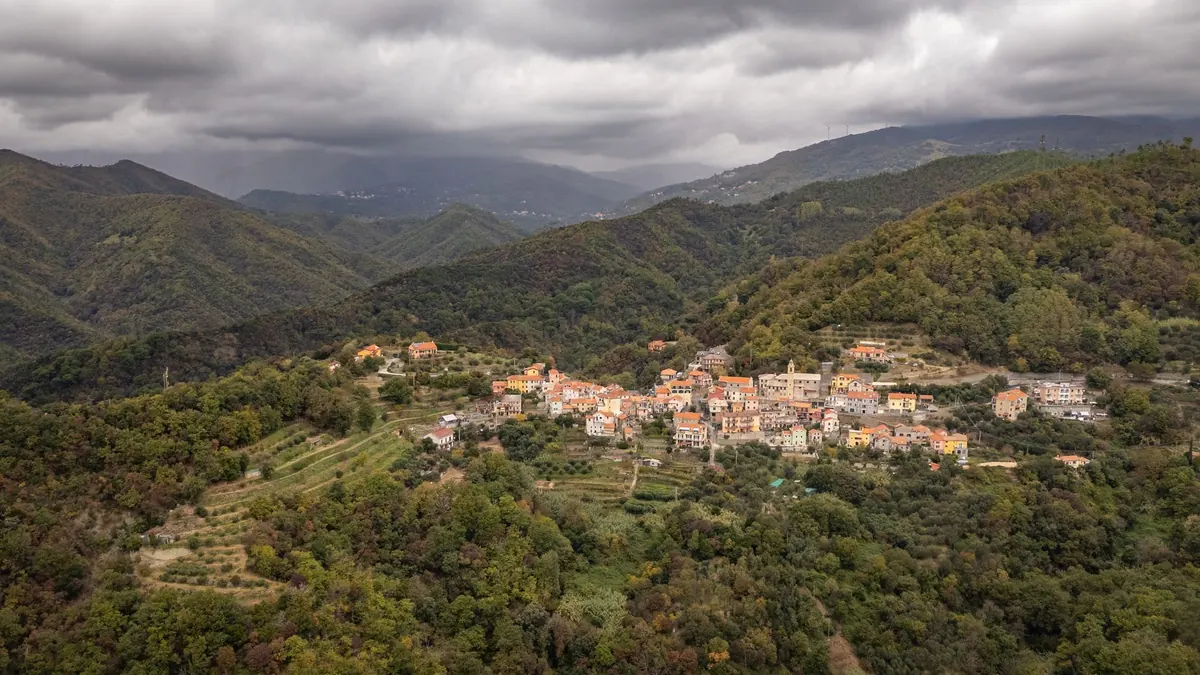
Slow travel is not a competition to sleep in as many places as possible. Two or three nights in one base gives you a market morning, a long lunch and a day trip without repacking. One-night stops make sense only when the next move is short and the arrival is early. In hill towns, check the exact location of your accommodation. A place that looks central on a map may sit at the top of a steep lane with no vehicle access. If you are arriving by bus, stay near the bus stop or ask about luggage storage before check-in. Major stations often have left-luggage offices, which can free you for a few hours between trains.
Pack for Platforms, Pavements and Laundry
Luggage is part of the itinerary. One wheeled cabin bag and a daypack is a good target for a week or two; a soft bag is easier to lift onto regional trains than a hard shell. Pack for layers, not for a fashion show. You will walk more than you expect, often on uneven stone, so bring shoes you have already broken in. Plan to do laundry every four or five days rather than packing a fresh outfit for every day. Keep your daypack light enough to carry all day, with water, a charger, a light rain jacket and your tickets.
- Choose wheels that can handle cobbles and a bag you can carry up a short flight of stairs.
- Put heavy items near the wheels and keep your valuables in a small cross-body bag.
- Pack a foldable tote for groceries, laundry or a picnic lunch.
- Carry a refillable water bottle; Italy has plenty of public fountains.
Try a Sample Route Shape You Can Adapt
Consider a week in Emilia-Romagna with a Tuscan start. Begin in Florence for three nights, then take the high-speed train to Bologna, about 35 to 40 minutes. Stay two nights for porticoes, markets and food. From Bologna, a regional train reaches Ravenna in around an hour and twenty minutes; give Ravenna two nights for mosaics and a slow morning. Then take the train back through Bologna to Ferrara, roughly an hour and a half to two hours with a change, and stay two nights inside the walls. Finish with a short regional train back to Bologna for departure. This route uses trains for the long legs and keeps bus journeys optional. It also shows how a small region can carry a whole trip without a car.
Before You Book, Run This Practical Check
Choose your bases first, then check the timetable for the exact dates. Confirm the last service on Sundays, note whether tickets need validation, and book only the high-speed trains that require reservation. Keep one flexible day in the middle. Pack less than you think you need. On the ground, ask at the tourist office about local buses; the person behind the counter often knows the school-day timetable better than any app. Slow travel in Italy works when the route is simple, the bags are light and the days have room to breathe. Leave space for a second coffee, a closed museum that sends you somewhere better, and the afternoon you did not plan.
Photo: Daniele Sgura / Pexels
Related posts
More stories you’ll love reading