

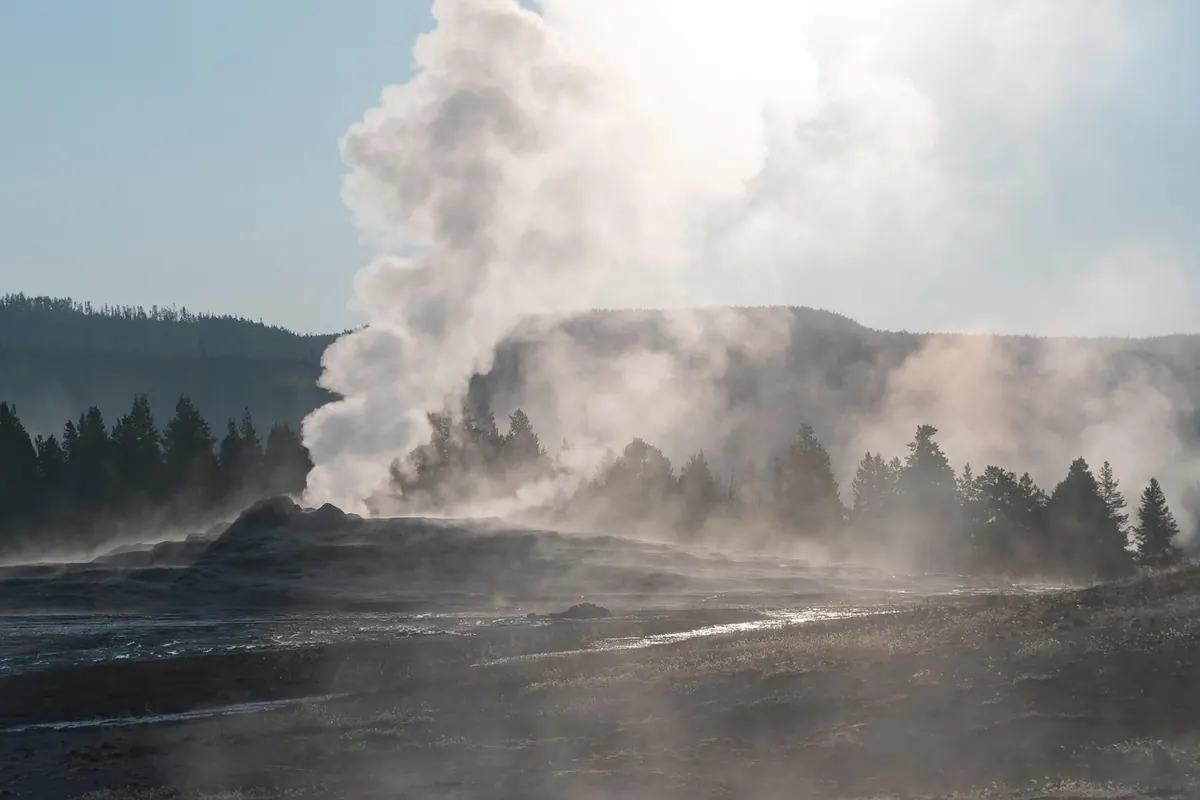
There is a particular pleasure in sliding into hot thermal water while the air above it is cold enough to show your breath. Steam lifts off the surface, the hills go quiet, and the usual summer crowd is somewhere else. Italy has plenty of these places, from free springs in southern Tuscany to staffed spas in the Euganean Hills, but winter changes the practical side of a visit. Roads, opening hours, booking systems, and even the way you dress for the walk from the car all matter more than they do in July.
Free Springs and Staffed Spas Follow Different Winter Rules
Broadly, you will encounter two kinds of thermal experience. The first is the free or wild spring: a pool, a stream, or a series of stone basins where water rises naturally and bathers manage themselves. These places often stay accessible year-round, but “accessible” is not the same as “easy.” Ice on the path, mud after rain, fallen branches, and high water can all change the approach. A spring that is a simple stop in summer may require a longer walk or a more careful descent in January. Check local tourism information, the town website, or a recent local report before you set out, and do not assume a remote access road has been cleared.
The second kind is the staffed thermal establishment: a spa, a hotel with thermal pools, or a public thermal park. These may reduce weekday hours in winter, close certain outdoor pools, or schedule maintenance work in the quieter months. Some keep outdoor pools open and heated, which is exactly the experience many winter visitors want; others shift everything indoors. Confirm the specific pool you plan to use, not just the name of the spa. If the website is vague about winter hours, call. Holiday periods can also bring special timetables, so a quick confirmation the day before is worthwhile.
Book Ahead, but Book the Right Thing
Winter is not automatically quiet. Weekends around Epiphany, Valentine’s Day, Carnival, school breaks, and ski season can fill thermal spas quickly, especially those within easy reach of cities or mountain resorts. Many establishments use timed entry or limit the number of people in the pools, so turning up without a booking can mean a long wait or no entry at all. Book direct when you can, and read the details rather than just choosing a date.
- Check the arrival window. Some spas sell morning, afternoon, or full-day slots; arriving late may shorten your visit.
- Confirm what is included. Towel, robe, locker, shower products, and access to outdoor pools are not always part of the base price.
- Ask about pool rules. Swim caps, age limits, and quiet-area rules vary between facilities.
- Read the cancellation policy. Winter weather can change road conditions, so know whether you can move your booking.
For free springs there is no booking, which means the early arrival still wins. Parking near popular natural pools can be limited, and local roads are not designed for casual roadside stopping. Park legally, keep access clear for residents and farm vehicles, and carry out anything you bring in.
Dress for the Walk From Car to Water
The water may be hot, but the air is not. The most comfortable winter bathers are the ones who treat the visit as a small expedition rather than a beach day. A warm hat and dry layers matter as much as a swimsuit, especially if you are using a free spring where changing facilities may be basic or nonexistent.
- Warm, dry clothes to put on afterward, including a hat and gloves.
- A robe or large towel that covers you between pool and changing room.
- Flip-flops or water shoes for slippery stone and cold ground.
- A waterproof bag for wet swimwear and a separate dry bag for phone and keys.
- A refillable water bottle so you can drink without leaving the pool area.
- Small change or a card if lockers or rentals require payment.
Leave valuables at home or in a secure locker. At free springs, do not leave bags visible in the car. Check whether towels and robes are rented; many spas provide them, but not all, and the rental desk may close earlier than the pools.
Ease In, and Know Your Limits
Thermal water can be much hotter than a normal swimming pool, and the contrast with cold air is stronger in winter. Enter slowly, sit on the edge first, and let your body adjust. Short soaks with rests in between are usually more pleasant than one long session. Get out before you feel light-headed, and drink water before and after. Avoid alcohol before bathing, and keep a close eye on children, who may overheat faster than adults.
If you have a heart condition, high or low blood pressure, circulation problems, are pregnant, or have open skin, ask a doctor before using thermal springs. This is general advice, not a medical rule for every body or every pool. Signs at the facility are there for a reason; follow them even when other bathers ignore them.
Etiquette Is Simple, and Locals Notice
Shower before entering the water. Keep voices low. Do not bring glass, food, or strong-smelling products into the pool areas unless the facility allows it. At staffed spas, follow the signs about which pools are for quiet soaking and which are for families. Do not reserve loungers with a towel for hours, and respect time limits in saunas or steam rooms.
At free springs, the etiquette is mostly about leaving the place better than you found it. Take your rubbish with you, do not use soap or shampoo in the water, and do not move stones or alter the natural flow. Some springs sit on private land or near working farms; stay on marked paths and close gates. A quiet, tidy bather is a welcome one.
A Winter Day That Works
Plan around daylight. A mid-morning arrival gives icy roads time to soften and leaves you enough light for the walk back. Book the first available slot if you are visiting a staffed spa, soak, rest, have a proper lunch, and take a short walk before a second soak. Leave before dusk if the route back is rural or mountainous. Keep a backup indoor spa or a simple plan B in mind in case snow, fog, or a closure changes your day. Tell someone where you are going if the spring is remote, and do not rely on phone signal. With those small preparations, winter becomes the best season for a quiet soak.
Photo: Gruendercoach / Pixabay
Related posts
More stories you’ll love reading