




The minibus leaves at 7:40. By six you'll have seen a hill town, a Roman ruin and a viewpoint no train reaches, and someone else will have handled the tickets, the parking and the language. Or you sleep in, take the 9:15 bus, and spend four hours in one market square you'll remember longer than either.
Neither plan is wrong. The useful question isn't whether guided day trips are good — some are excellent, some are cattle trucks with a lunch stop — but whether one is a good use of your money and your single day in that place. Here's how to weigh it without romance or regret.
What a guided day trip actually bundles
A tour isn't one product. It's five or six things sold together, and you're paying for all of them whether or not you need them:
- Transport there and back, including the awkward final stretch that no timetable serves
- Someone else reading schedules, buying tickets and knowing which entrance moves faster
- Commentary — a good guide explains what you're looking at and answers the questions a guidebook can't hear
- Access: permits, timed slots, appointments, or a vehicle small enough for a road a coach can't take
- A safety net — if the ferry is cancelled or the trail is shut, someone in the group knows the alternative
Strip out the commentary and the access and you're buying a seat in a vehicle. Sometimes that's exactly what you need. The skill is recognising which parts of the bundle you'd otherwise have to pay for yourself.
The cost comparison, done properly
Tours feel expensive because the price arrives as one grim number. Independent travel feels cheap because the costs arrive in small pieces and you forget half of them. Do the sums on paper, and be honest about every line:
- Fares for every leg, including the bus that runs three times a day
- Taxis or shuttles for the last few kilometres — this is usually where the cheap option dies
- Entry fees, and whether the tour includes them or leaves them to you
- Lunch: a sit-down meal versus a sandwich eaten on a wall
- The cost of a mistake — a missed connection, a wasted afternoon, a return taxi you never budgeted for
Then add the tour's extras: a tip, optional entries, drinks, and the souvenir stop you'll feel obliged to linger in. Two patterns repeat often enough to plan around. In cities with dense transit and walkable sights, doing it yourself usually wins on both price and time. In the countryside — where the station sits six kilometres from the village and the last bus back leaves embarrassingly early — the tour price frequently undercuts what a taxi would cost, without the anxiety. Solo travellers should price a private transfer before dismissing a shared tour; two hours in a car alone can cost more than a seat among twenty.
Access is where guides earn their fee
This is the argument that survives scrutiny. Some places are genuinely hard to reach without help: museums with timed entries that sell out days ahead, popular trails that require permits, workshops and wineries that only receive visitors by appointment, archaeological sites with no shade, no signage and no shade-giving signage either.
Then there's the softer access. Knowing that the second entrance has no queue at ten o'clock. Knowing which of the two village restaurants is worth the stop. Knowing enough of the language to ask whether the kitchen is still open. A guide who lives where you're visiting can compress a day of fumbling into an hour of doing. That's worth something, and it's worth more the shorter your trip is.
Convenience has a price, and a limit
Door-to-door pickup, no route planning the night before, a vehicle that waits while you eat: this is real value, especially at the end of a long trip, in serious heat, or with children in tow. If you've been on your feet for six days, someone else driving is not laziness. It's arithmetic.
The limit is that convenience is shared with everyone else on the bus. You'll wait for the couple who are always late. You'll stop for forty minutes at a viewpoint that needed ten. You'll leave at a time that suits the slowest member of the group, not the light. Ask one blunt question before booking: is the pickup genuinely at your door, or does the bus circle six hotels for an hour first? That hour comes out of your day, not the operator's.
The flexibility you trade away
A guided day trip is a fixed shape. You can't stay longer because the light turned gold, or leave early because the market is smaller than the photos suggested. If the weather closes in, you're still going. If you fall for a village, you'll be waving at it through glass twenty minutes later.
That fixed shape is fine — even relaxing — when you mainly want to see a lot, briefly. It's a poor fit when you want to follow a hunch. Some operators build in free time, so find out how much and where. If a tour gives you ninety minutes in the town you came for and twenty-five in one you'd never heard of, you have your answer.
Where the balance tips
Tours usually win when
The sight is far from public transport, or the last connection home is risky. Entry is timed, permit-based or appointment-only. You have one day and a mistake would cost you the whole trip. You want context — history, food, architecture — that you can't get from a plaque. Or the logistics have simply defeated you and you'd rather spend the day looking than figuring.
Going alone usually wins when
You're based in a city with good transit and the sights are close together. You want to linger, return somewhere, or change plans at lunchtime. The tour's itinerary is 70 per cent driving. Or the group size is large enough that every stop becomes a queue. Two people sharing a hire car for a day often beat two seats on a coach, both in cost and in freedom.
Choosing well, if you do go guided
Ask, or check on the operator's own page: maximum group size, what the price includes, how long the drive is in each direction, how much free time you get, and whether there are shopping stops. Read recent reviews for the words "rushed", "long drive" and "sales pitch". Confirm the cancellation policy before you pay, particularly in shoulder season when weather and ferry schedules change. Smaller local operators are often better than the banner in your hotel lobby, and booking direct usually gets you a straighter answer about what the day actually looks like.
The five-minute test before you book
- Can I get there and back on public transport without gambling my evening?
- Are the entries I care about sold out, timed or appointment-only?
- Is my time here short enough that a wasted morning would hurt?
- Would I rather see four places at a glance, or one properly?
- Does the tour's timetable actually include the thing I came for?
If you answered yes to the first three, the tour is probably worth the money. If you hesitated on the last two, book the independent version and keep one guided trip in reserve for the day the logistics finally win. Prices and schedules shift, so confirm details with the operator when you book — and read the cancellation terms before you pay.
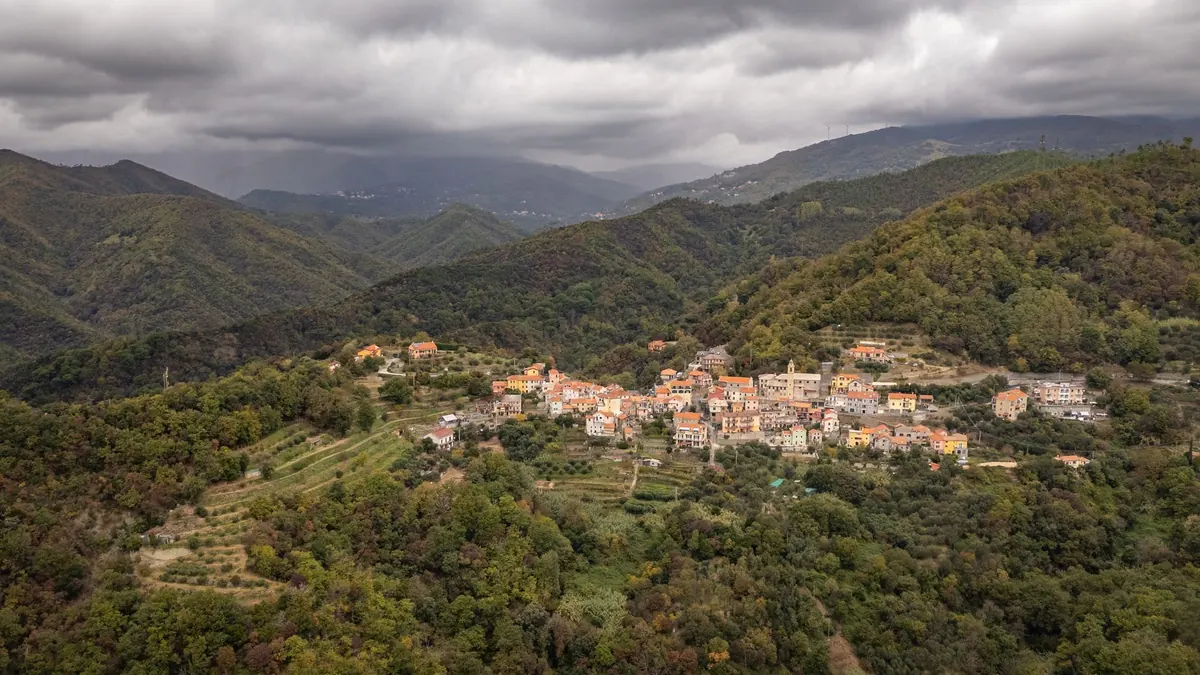
Photo: adege / Pixabay
Related posts
More stories you’ll love reading