
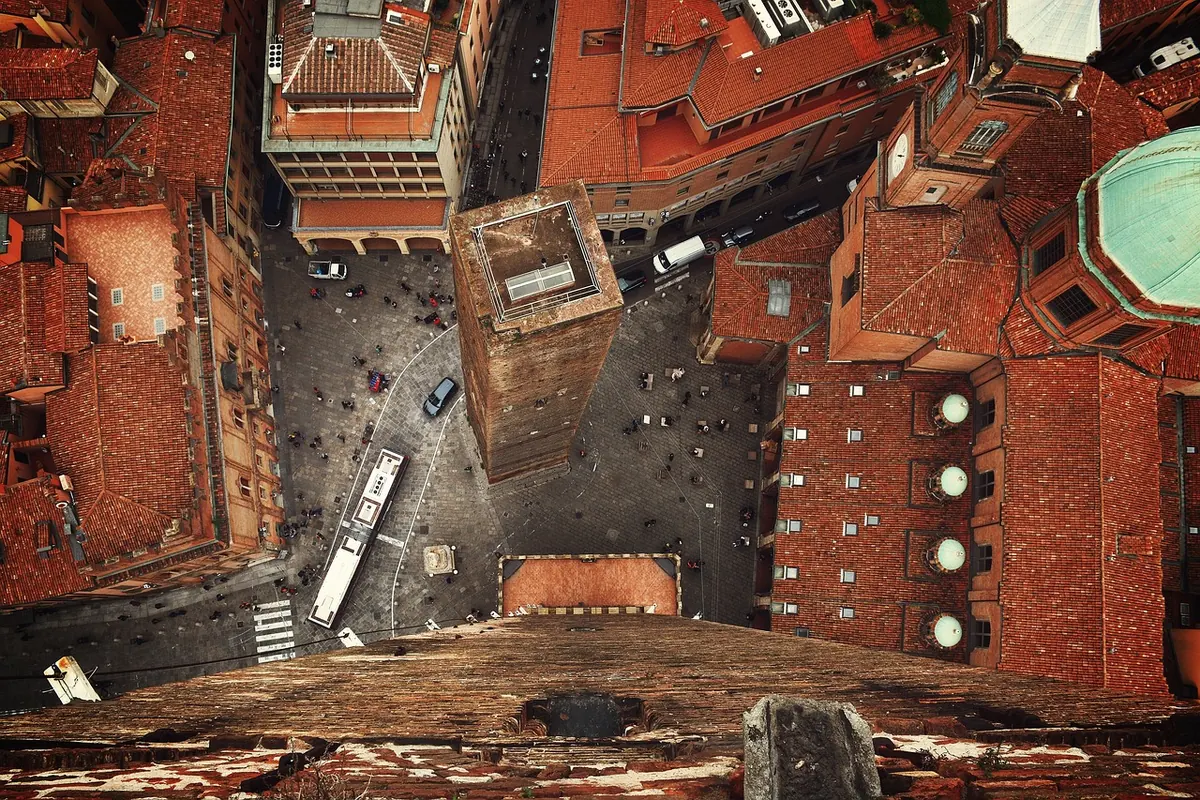
Bologna does not reward efficiency. Order a coffee and nobody hurries you; sit down for lunch and the afternoon quietly disappears. That is the city's whole argument, and two days is enough time to hear it. What follows is a plan built around three real meals a day, a few long walks under the porticoes, and enough slack that a wrong turn or a second gelato doesn't wreck anything.
It is also a plan for people who like food but don't like the idea of a holiday becoming a checklist. Bologna is best when you leave room for the shopkeeper who insists you try the aged parmigiano, the bar that looks closed but isn't, and the second espresso you didn't plan on. The city is compact, flat and endlessly walkable, but its eating rhythms are strict. Get those right and the rest is easy.
Before You Start: How Bologna Actually Eats
Bologna's kitchens keep a schedule that catches visitors out. Lunch service runs from about 12:30 and stops taking orders by 14:30; dinner reopens around 19:30. In between, most trattorias are dark and locked, which is why an ambitious 4pm food hunt ends badly. Build your day around those two windows and everything else fits.
A few things worth sorting before you arrive:
- Book dinner for both nights. This is a business city and a university city; good tables fill up, especially from Thursday to Saturday.
- Check closing days. Many family-run places shut once a week, often Sunday or Monday, and some Quadrilatero shops close on Sunday afternoons.
- Reserve the Torre degli Asinelli online if you want the climb — timed entry, limited numbers.
- Expect a small coperto (cover charge per person) on the bill. It's normal, not a trick, and service is included, so rounding up is plenty.
- Don't treat aperitivo as dinner. A spritz and a bowl of crisps at 18:30 is a lovely pause, not a meal, and you'll be hungry again by 21:00.
The centre is compact and flat under the arcades; you can cross it on foot in twenty minutes. That means you can afford to wander, double back, and change your mind. It also means there is no excuse for cramming four sights into an afternoon and arriving at dinner exhausted.
Day One, Morning: Coffee, the Piazza, and the Quadrilatero
Start at Caffè Terzi on Via Oberdan for an espresso, standing at the bar. Sitting down costs more and slows you to a visitor's pace; standing is the local rhythm. For something quieter and stranger, Bar Senza Nome does excellent coffee in a room that feels like someone's living room. Either way, keep it small: a coffee and maybe a pastry, not a full breakfast. You have lunch coming.
Walk two minutes to Piazza Maggiore while the square is still half empty. Notice the unfinished facade of San Petronio — the money ran out, then the politics got in the way — and the Fountain of Neptune, then head north into the Quadrilatero.
This tangle of narrow streets — Via Pescheria Vecchia, Via Drapperie, Via Caprarie — is the old market quarter and still works as one. Fishmongers, greengrocers, a shop selling nothing but dried pasta shapes, Tamburini's counters loaded with mortadella. Paolo Atti has been making tortellini here for a very long time. Buy a slice of mortadella and a piece of bread and eat it standing in the street, because that is what the street is for. If it's raining, Mercato di Mezzo has stalls under one roof.
Resist the urge to buy a vacuum-sealed gift box in the first shop you see. Walk the whole quarter first. Compare the tortellini, ask what's fresh, and buy the parmigiano from a counter that looks busy rather than a shop that looks convenient. A small piece of aged cheese, a few slices of mortadella and a bag of sfoglia are better souvenirs than anything with a ribbon on it.
Lunch, Then the Deliberate Art of Doing Nothing
Bologna's signature dishes are heavier than people expect. The ragù here is slow meat, not tomato, and it comes with egg tagliatelle. Order well at lunch and you won't want a huge dinner; order badly and you'll want a bed.
In Bologna, ask what the kitchen is proud of, not what the menu is famous for. The answer is usually the dish made that morning, and it is usually better than the thing every guidebook told you to order.
For a first lunch, keep it to one primo and share a secondo if you're not ravenous. Tagliatelle al ragù is the obvious order, but tortellini in brodo is the more delicate test of a kitchen, and gramigna alla salsiccia is the one locals order when they want comfort. If you see lasagne verde on the menu, made with spinach pasta and ragù, it is not the same thing as the lasagne you know. It is better, and lighter, and still enough to end your afternoon.
Good casual options include Sfoglia Rina for fresh pasta without ceremony, Osteria dell'Orsa for a student-crowd bargain near the university, and Trattoria di Via Serra for a slightly more serious lunch that rewards booking. Wherever you go, don't order a starter, a primo, a secondo and a dessert at midday unless you have cleared your entire afternoon. You have not cleared your entire afternoon.
After lunch, do something deliberately useless. Walk under the porticoes without a destination. Have a coffee you don't need. Sit on a step in Piazza Santo Stefano and watch the city go about its business. Bologna is a city of arcades, and the arcades are not just shelter; they are the city's living room. The whole point of this itinerary is that you don't have to earn your dinner.
Afternoon: Porticoes, Churches, and One Good Climb
If you have energy, the walk to Santo Stefano is the best introduction to Bologna's layers. The complex of churches — seven, or four, depending on which story you follow — is free, quiet and strange in the best way. From there, wander toward the Archiginnasio, the old university building with its wooden anatomy theatre. It is a small, inexpensive visit that explains why this city feels more studious than touristy.
The Torre degli Asinelli is the one climb worth planning. The stairs are wooden, steep and uneven, and the reward is a view over terracotta roofs and the hills beyond. If heights or queues aren't your thing, skip it without guilt. Instead, use the time for a gelato. Good choices are scattered around the centre, but the rule is simple: avoid anywhere with a fluorescent-lit display and towers of brightly coloured gelato. Look for covered metal tubs and a short list of flavours.
Then go back to your room, put your feet up, and do nothing for an hour. This is not laziness. This is pacing. You have dinner ahead of you.
Day One, Evening: Aperitivo, Then the Real Meal
Start with an aperitivo around 19:00, but keep it light. A spritz or a glass of Pignoletto in Piazza Santo Stefano or along Via del Pratello is enough. Then move to dinner. Booked, remember.
For dinner, order the things you can't easily recreate at home. Tortellini in brodo if you want the classic. Cotoletta alla bolognese — a breaded cutlet with ham and cheese — if you want the city's richer side. A plate of mixed grilled vegetables or a simple green salad will do more for you than a second plate of pasta. House wine in a carafe is usually good and always cheaper. Finish with a small dessert or an espresso, not both.
If you still have room, walk it off. Bologna at night is lively without being frantic, especially around the university quarter. But don't stay out too late. Day two has its own meals.
Day Two, Morning: Market, Pastry, and a Longer Walk
Start at Mercato delle Erbe, the city's other market, which is more everyday than the Quadrilatero and just as useful. Grab a pastry and a coffee nearby, then walk toward the Sanctuary of San Luca if the weather is kind. The portico trail up to the sanctuary is long — around 4km from the centre, with hundreds of arches — and it is one of the best things you can do in Bologna without booking anything. You don't have to go all the way. Walk for an hour, enjoy the view, and turn back when you feel like it.
If the weather is bad, swap the walk for the Museum of Bologna or a slow loop through the university quarter. The city is small enough that a rainy morning doesn't ruin the day; it just changes the route.
Day Two, Lunch: Keep It Simple
After the walk, lunch should be easy. Crescentine and tigelle — small fried doughs and warm round breads — with cured meats and soft cheese are a good shared lunch. Or go back to the Quadrilatero for a plate of tortellini and a glass of wine. This is not the day for a two-hour tasting menu. Save your appetite for the final dinner.
Spend the afternoon doing the thing you skipped on day one. Maybe that's the Archiginnasio, maybe it's a second climb, maybe it's a long lunch that turns into a longer conversation. Bologna is not a city that punishes you for leaving something out. It punishes you for rushing.
How to Order Without Overordering
Bolognese portions are generous, and the menu structure is not always obvious. A simple way through it:
- Primi are pasta courses, and in Bologna they are often the main event. One is usually enough per person.
- Secondi are meat or fish. Share one if you're having a primo, especially at lunch.
- Contorni are side dishes and are ordered separately. Ask what's fresh; the answer is often simpler and better than the fried potatoes.
- Coperto is the cover charge, not a tip. Service is included. Rounding up or leaving a few euros is plenty.
- House wine is a safe bet in trattorias. Ask for a carafe of the local red or white rather than agonising over the list.
If It Rains, or You Need a Plan B
Bologna's porticoes make rain less of a problem than you'd think, but not every plan survives a downpour. If the weather turns, move your walking time to the middle of the day and use the edges of the day for indoor eating. Mercato di Mezzo is a good rainy lunch stop. The Archiginnasio and Museo di Palazzo Poggi are good rainy afternoon stops. And if a restaurant is full, don't panic. Walk ten minutes away from Piazza Maggiore and try again. The centre is small enough that the second-choice trattoria is often just as good and twice as relaxed.
Two days in Bologna won't make you an expert. It will make you understand why people here resist the idea that faster is better. Eat three real meals. Walk under the arcades. Leave time for the second gelato. The city will do the rest.
Photo: StockSnap / Pixabay
Related posts
More stories you’ll love reading