

Culture
How to Read a City's Culture Through Its Local Market: A Visitor's Checklist
October 14, 2026
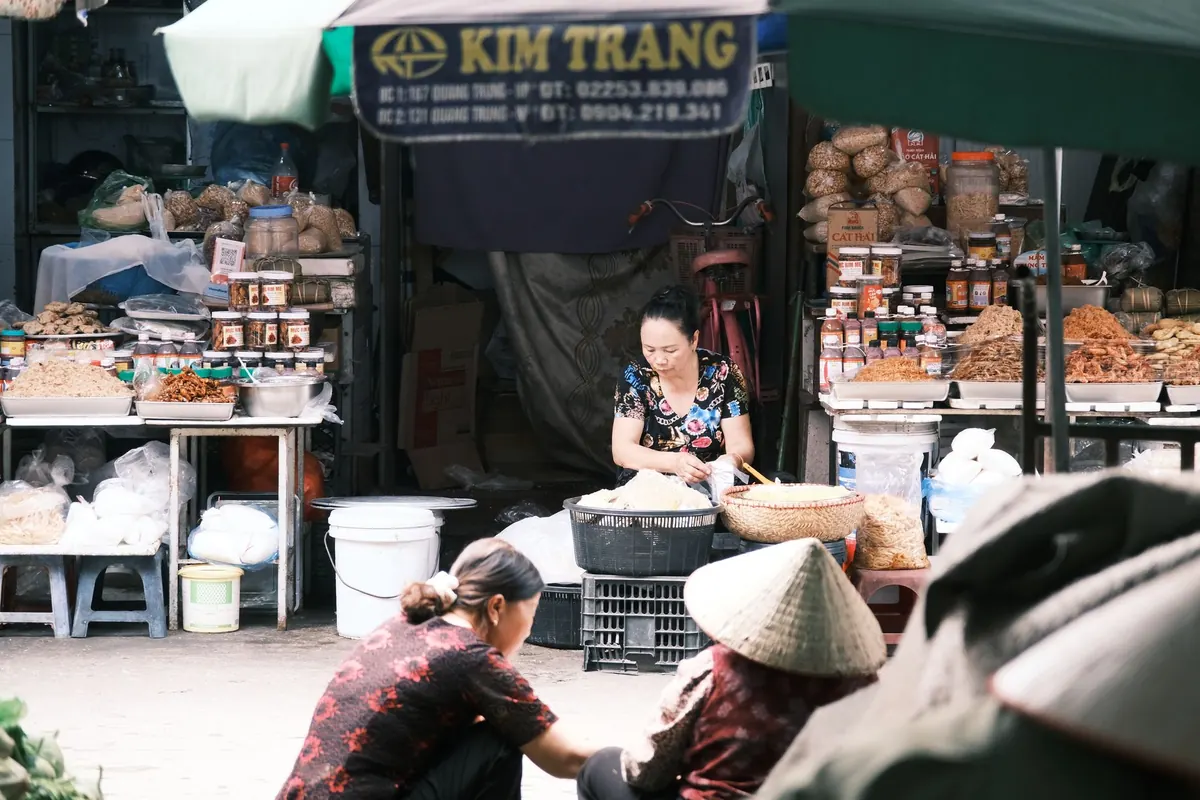
At seven in the morning the market smells of crushed ice, wet cardboard and diesel. Someone is hosing down a tiled floor. A woman with a clipboard counts crates while a man in an apron argues mildly about a parking space. By nine, the same aisle will be loud, warm and smelling of frying oil. Same place, almost a different city.
That shift is the thing worth noticing. A market keeps a city's working habits on display: how people greet, queue, bargain, wait, feed themselves and feed each other. You don't need a guide or a permit to read it. You need a slower pace, a little humility and something to buy. What follows is a checklist for looking rather than taking.
Start with the clock, not the map
Most visitors arrive at the market's busiest hour and leave before anything changes. If you can, come twice — or simply stay long enough for one shift to end. The difference between eight and eleven is often the whole story.
Early hours belong to volume. Expect trolleys, crates, buyers with lists, prices quoted per box rather than per piece, and very little patience for someone browsing. Mid-morning is the retail hour: single items, small notes, bags, conversation, vendors calling out to people they know by name. Late afternoon brings the markdowns, the sweeping, the hosing down, and a different kind of talk altogether.
Stay for the packing up. What a vendor wraps carefully and what gets thrown out tells you what they expect to sell again tomorrow. A fishmonger scrubbing a slab with ice and salt, a baker stacking returns in a crate, a florist giving away the tired stems to a neighbour — none of that is performance.
Read the layout like a sentence
Markets are rarely arranged at random. Walk the perimeter first and ask what has been put where.
Heavy, bulky, low-value goods often sit near the entrances and the vehicle access, because nobody wants to carry a sack of potatoes through a crowd. The best corner — light on two sides, room to turn — usually belongs to the vendor who has been there longest. Look for the signs of permanence: painted wooden shelving, a radio, a calendar, a small stool worn smooth. Compare that with the tarpaulin-and-trestle tables at the edges, where traders might be newer, seasonal, or selling whatever came in that morning.
Then read the written language. Handwritten cardboard in two languages, with one written first, tells you who the seller expects to serve. Printed laminated signs tell you who is being regulated. A board listing prices in neat columns suggests an authority somewhere has insisted on it — and the vendors' feelings about that are usually visible in how the board is positioned.
Listen before you speak
Stand near one stall for ten minutes and listen for the unit words rather than the nouns. Every market has its own vocabulary of quantity: a handful, a bunch, a bowl, "a little more", "the usual". These are the words that make you sound like a customer instead of a visitor.
Notice how regulars are greeted. The gap between the greeting given to a familiar face and the one given to a stranger is usually about three words and half a second, and it is the fastest way to learn what politeness sounds like here.
Bargaining has a grammar too. Where haggling is the norm it tends to be cheerful and rhythmic, the first price understood by both sides as a starting point. Where it isn't, a low offer can land as an insult. You can find out without risking anything: watch two purchases from start to finish, then follow the pattern you saw.
Learn five phrases before you go — a greeting, thank you, "how much", "a little", and "that one". Write them phonetically in your notes. Attempting them badly but cheerfully is almost always better received than speaking English slowly and loudly.
Watch the etiquette before you join it
Every market has choreography, and the choreography matters more than the words. A few habits travel well almost everywhere:
- Watch one complete transaction from a few metres back — approach, selection, payment, bagging, goodbye — before you attempt your own.
- Keep your hands off the produce unless the vendor invites it or everyone else is doing it. Use the bags, baskets or tongs provided.
- Find the queue before you find the counter. Lines sometimes run sideways along the stall rather than back from it. A gesture and "Is this the line?" saves confusion.
- Carry small notes and coins. Watch how change is given — counted into a hand, or dropped on the counter — and do the same when you pay.
- Accept the offered taste, extra sprig or paper bag. Refusing a small kindness can read as coldness; if you must decline, smile and thank them properly.
- Ask before photographing faces, children or someone's stall. When in doubt, buy first, ask afterwards.
- Step out of the aisle to repack your bag. Markets have traffic, and you are standing in it.
- Don't argue over an amount you wouldn't notice losing. If the price feels wrong, walk on politely.
Notice what is missing
Absences are information. A market with no prices written anywhere is telling you that prices are quoted per customer. A market where nobody argues is telling you the prices are fixed. Watch whether scales are in public view, whether receipts exist, whether anyone pays by phone, and where the money goes when a vendor runs out of change — sometimes to a neighbour, sometimes to a shared cashier at the end of the row. Each of those details says something about how trust is organised here.
Look at who is working and who is shopping, and at what time. Who carries the crates, who sits, who minds the children, who is absent from the aisles entirely. Note it without turning observation into a verdict. You are reading a page, not grading it.
Eat where the vendors eat
The food end of a market shows you what a city eats standing up. At nine in the morning that might be a bowl of soup, a folded flatbread, a plate of noodles or a very small coffee taken quickly at a counter. Sit or stand where the people on their break are standing, and order what the person ahead of you ordered. Pointing is fine; curiosity is welcome; a queue of locals is the only review you need.
Also compare raw with prepared. What is sold ready to eat tells you what people don't cook at home; what is sold raw, in quantity, tells you what they do. That single distinction will teach you more about a city's domestic life than any restaurant menu.
A short checklist before you leave
Find a step or a bench out of the traffic flow, buy a drink, and sit for twenty minutes doing nothing except watching. Then note three things before you walk away:
- Five words you heard more than once, and roughly what they meant.
- One thing you saw that a supermarket would never show you — an argument settled, a crate shared, a child minding a till.
- One small thing you would do differently next time, whether that's the hour you came, the change you carried or the phrase you didn't know.
Markets reward the second visit. Go back the next morning, greet the vendor you bought from yesterday, and watch how much faster the city starts talking to you. Buy something small, say thank you the way you heard it said, and step out of the aisle on your way.
Photo: Đạt Nguyễn / Pexels
Related posts
More stories you’ll love reading