
Central Italy does not have one food season. It has a rolling argument between the land, the market and the kitchen, and the terms change every two or three weeks. Tomatoes arrive, briefly, and are gone. Artichokes show up in February and stay until April. The white truffle has a window measured in weekends. Learn the rhythm and a trip through Tuscany, Umbria, Lazio, the Marche or Abruzzo becomes a different kind of travel: you stop ordering what you always order and start ordering what the town is proud of this week.
January and February: Winter Greens, Citrus and Patience
These are the quietest months in the fields and the busiest in the kitchen. Tuscan black cabbage, cavolo nero, sweetens after a frost, which is why ribollita in January tastes nothing like the version you find in July. Rome's markets fill with puntarelle, the crunchy winter chicory cut into curls and dressed with anchovy, garlic and vinegar, and with broccolo romanesco, whose lime-green spirals look engineered rather than grown.
Citrus travels up from the south and sits on every stall, but the local pantry is built on pulses: Castelluccio lentils, chickpeas, borlotti beans, farro. Order pasta e ceci and you will understand why. Artichokes appear in January and take over by February — split and braised with mint and garlic as carciofi alla romana, or pressed flat and fried as alla giudia. Both methods have fierce defenders, so expect contradictions and enjoy them.
Cold weather also means cured meat. Around Norcia, butchers work through the winter, and a plate of salumi with bread is a proper lunch rather than a starter. It is porchetta weather too: ask for it sliced thin in a panino, ideally with crackling, and eat it standing up at the stall. In Abruzzo, look for ventricina and liver sausages; in the Marche, ciauscolo spread on warm bread. January is also the month when some markets quietly offer black truffle, but the real lesson of winter is patience. The first tomatoes are months away, and anyone selling you a “spring salad” in February is selling you a greenhouse and a plane ticket.
March and April: Artichokes, Lamb and Wild Greens
March is the crossover month. The artichoke stalls are still piled high, but the first spring greens begin to appear: agretti with their saline snap, wild asparagus, nettles, borage, spring onions. In Lazio, vignarola starts to show up — peas, fava beans, artichokes and lettuce stewed together with a little guanciale — and it is one of the clearest tastes of the season. In Tuscany, wild greens go into frittata, soup or a simple bowl of pasta; in Umbria and the Marche, they are often blanched, dressed with oil and lemon, and served as a contorno that is better than the main course.
In Rome, artichoke season is not a suggestion. It is a civic calendar with fried, braised and raw chapters, and everyone's grandmother has the only correct recipe.
Easter brings lamb. In Lazio, abbacchio is roasted with rosemary and garlic or braised with vinegar and herbs; in Umbria and the Marche, it goes on the spit or into the oven with potatoes. By late April, the first fava beans arrive and the classic pairing with pecorino begins. This is also the last good window for puntarelle before it turns woody, so order it while the market still has those tight, pale curls.
May and June: Peas, Fava Beans and the First Tomatoes
May is green and brief. Fava beans with pecorino, peas with mint, zucchini flowers fried in a light batter, and the first tender lettuce all compete for attention. In Rome, vignarola continues; in Tuscany, look for pici with garlic and breadcrumbs or a simple pea sauce; in the Marche, tagliatelle with peas and prosciutto is a common late-spring lunch. The cooking is light because the ingredients are sweet enough to argue for themselves.
June is the first month when a market feels abundant, but it is also a trap. Early tomatoes appear, often from the south, and they are not yet the reason to travel. Use them raw with basil and good oil, but do not expect the deep sugar of July. Cherries from Lazio and the Marche, strawberries, and the first zucchini are better bets. In Abruzzo, the weather warms and arrosticini — small skewers of lamb — begin to appear at outdoor tables. Ask where the tomatoes are from before you order the panzanella; the answer tells you whether the kitchen is cooking the season or the calendar.
July and August: Tomatoes, Peppers and the Heat
High summer is tomato season, and in Central Italy that means cuore di bue, datterino and local varieties that taste of sun and acid rather than refrigeration. Panzanella with stale bread, tomato, cucumber and basil; pasta with raw tomato and basil; pappa al pomodoro in Tuscany; fried zucchini flowers in Rome. Eggplant, peppers and zucchini take over the rest of the plate: peperonata, melanzane alla parmigiana, zucchini alla scapece in the Marche and Abruzzo.
Summer truffle, tartufo scorzone, appears in Umbria and the Marche, less aromatic than the white truffle but good shaved over pasta or eggs. This is also porchetta and sagra season: town festivals celebrate everything from snails to wild boar, and the cooking is often more honest than the restaurant version. August is holiday month, so many family-run places close. Follow the festival calendar, shop early in the morning, and cook as little as possible. In Abruzzo, grilled lamb and arrosticini are the evening ritual; along the Marche coast, brodetto is the seafood answer to the heat.
September and October: Mushrooms, Grapes and the Turn Toward Autumn
September is the hinge. The grape harvest begins, porcini appear in the markets, and the first chestnuts arrive. In Tuscany, vendemmia fills the roads with tractors; in Umbria and the Marche, the woods fill with mushroom hunters. Order tagliatelle ai porcini, mushroom polenta, or a simple grilled porcini with oil and parsley. Game returns to menus too — pappardelle al cinghiale is a Tuscan autumn standard — and the cooking begins to turn richer and slower.
October brings the white truffle into view, especially around San Miniato in Tuscany, Acqualagna in the Marche and parts of Umbria such as Gubbio. The season is short and expensive, so the best approach is to order it simply: shaved over eggs, buttered pasta or a risotto that does not compete. Chestnuts, castagne and marroni, become street food and kitchen staple. In Abruzzo, the saffron of Navelli and the chestnut woods give the month its flavor. The first new olive oil also appears, but the real oil moment is still a few weeks away.
November and December: Truffles, New Oil and the Christmas Table
November is white truffle at full volume and new olive oil at its freshest. Go to a frantoio, taste the oil before you buy it, and eat it raw on bruschetta with salt, or over beans and grilled bread. The markets return to winter greens: cavolo nero, cabbage, cardoons, puntarelle, and artichokes again. This is the season for ribollita, pasta e fagioli, and the kind of slow braises that make a cold stone town feel generous. Around Norcia, the butchers are busy again with salumi and lentils; in Lazio, pangiallo begins to appear in bakeries.
December is the Christmas table. Siena has panforte; Lazio has its dense dried-fruit breads; Abruzzo has its own sweets and torrone-style nuts. The Christmas Eve table may be fish in Rome, but inland the focus is on cured meats, pasta, lamb and vegetables. New Year's Eve means cotechino with lentils, a dish more symbolic than glamorous and all the better for it. By late December, the white truffle is fading, the oil is green and peppery, and the market has settled into the same rhythm it began with: greens, pulses, patience and the first citrus on the stall.
A Quick Calendar at a Glance
- January–February: cavolo nero, puntarelle, broccolo romanesco, citrus, Castelluccio lentils, chickpeas, artichokes, salumi, porchetta.
- March–April: artichokes, spring lamb, wild greens, agretti, fava beans, peas, ricotta, vign
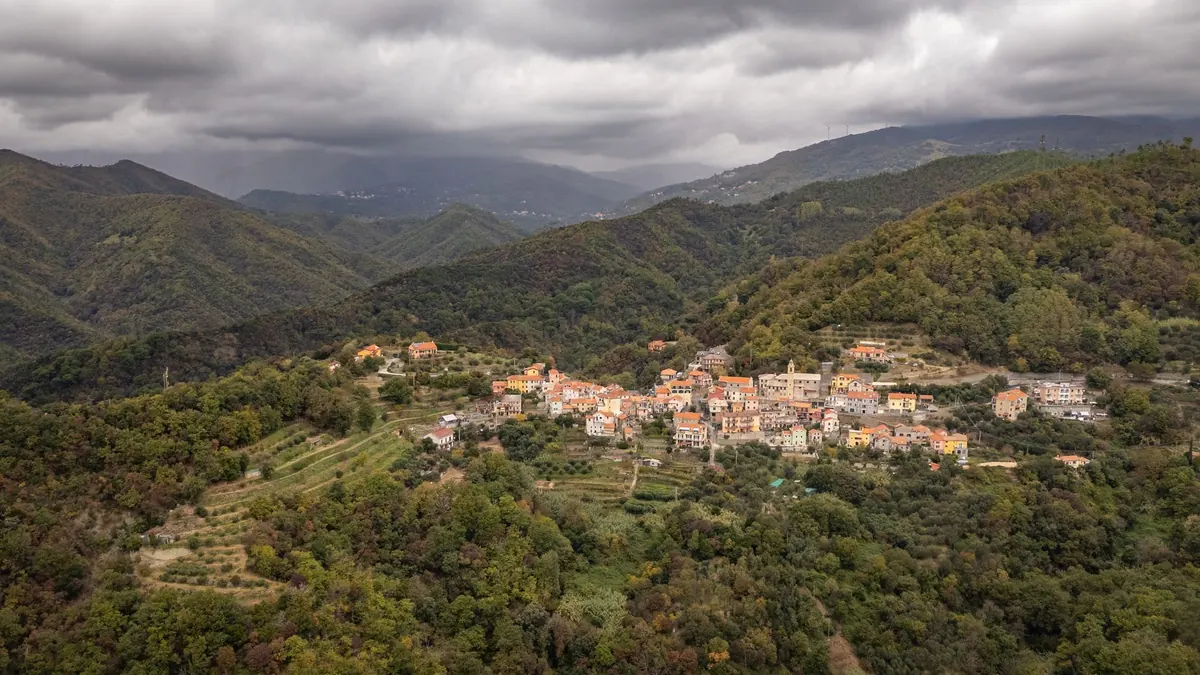
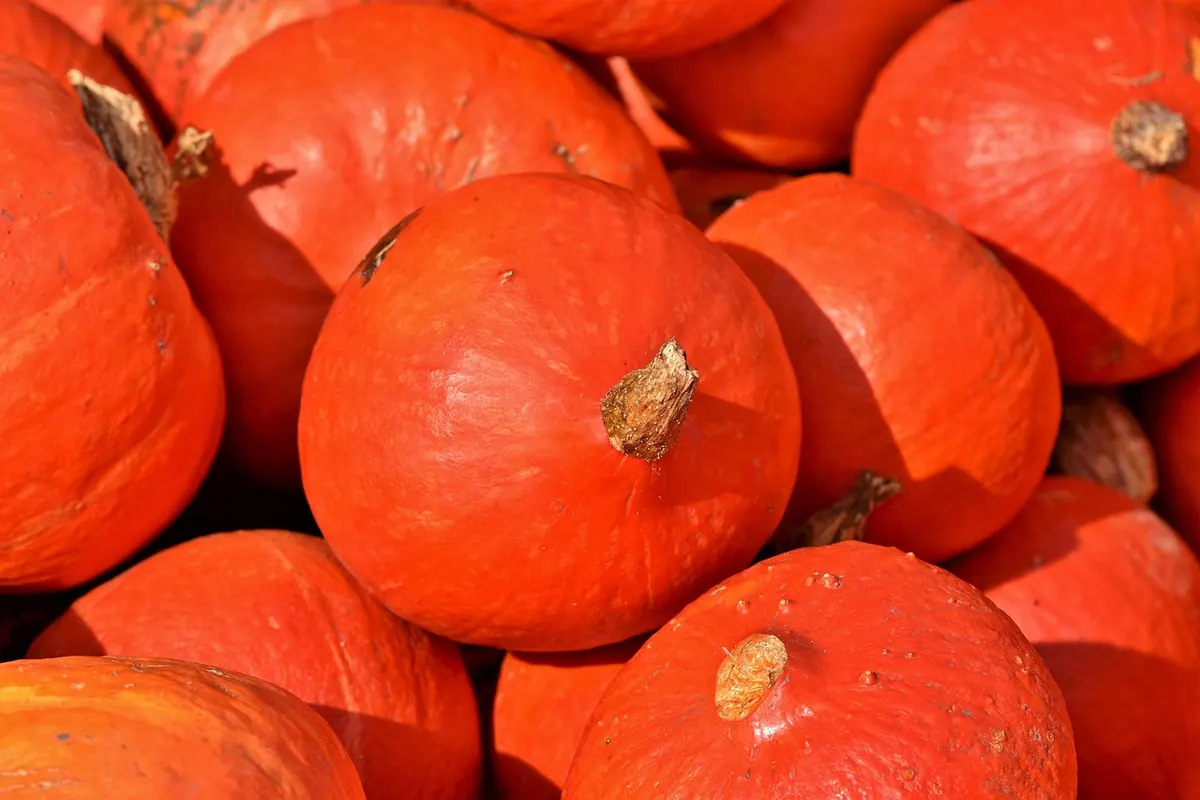
Photo: Ralphs_Fotos / Pixabay
Related posts
More stories you’ll love reading